Visitor parking at residential buildings — an underestimated problem with big consequences
Disputes over visitor parking? Learn everything about the legal situation in Switzerland, clear regulations, and how to effectively prevent long-term parkers.

 Driver tips5 min read
Overview.
Disputes over visitor parking? Learn everything about the legal situation in Switzerland, clear regulations, and how to effectively prevent long-term parkers.
Table of contents
- The visitor-parking problem: who is blocking whom?
- What does the law actually regulate about visitor parking in Switzerland?
- Practical examples: what rules can look like (without a law)
- Avoiding conflict — what landlords and administrators should/could do
- Conclusion: visitor parking as part of living quality
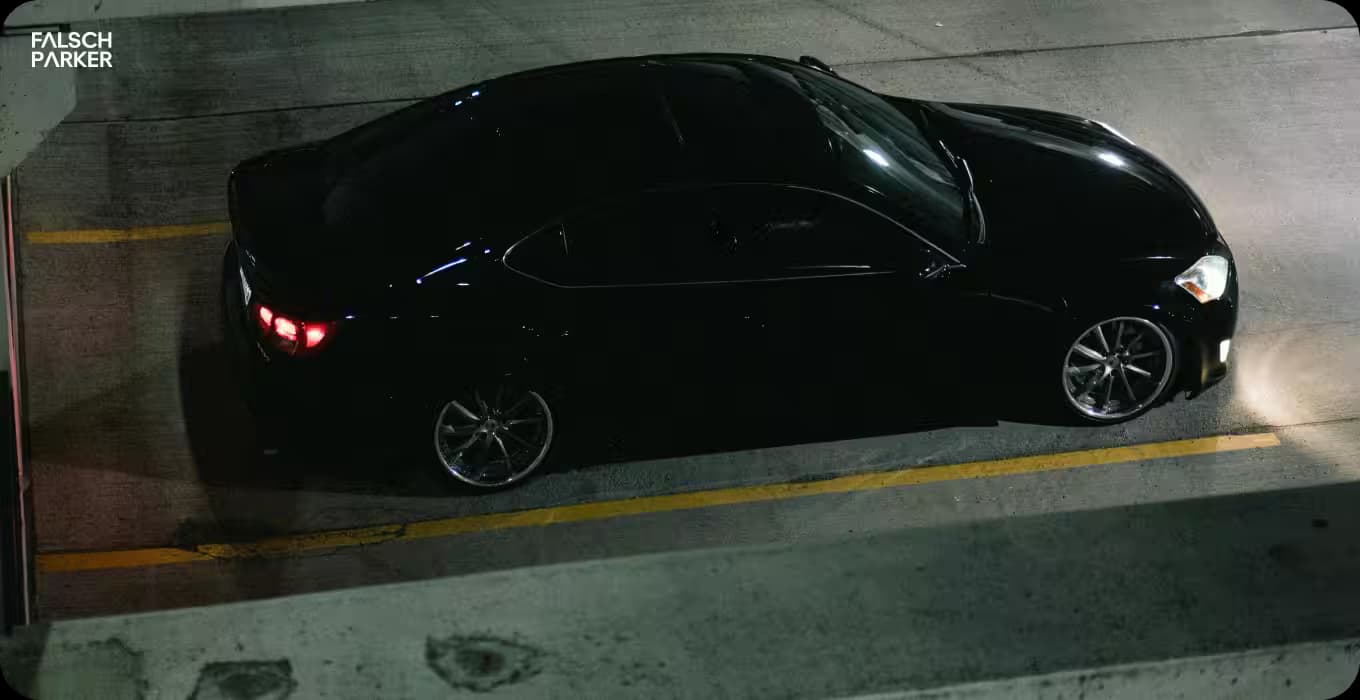
Parking spaces are scarce — and not just in major cities. More and more people own two or more vehicles per household, while building land becomes ever rarer and more expensive. In urban areas, both housing and parking become precious resources. Particularly tricky: visitor parking at residential buildings, originally intended for guests, is increasingly being occupied long-term by residents, commuters or neighbours.
This phenomenon is becoming more frequent for landlords, condominium associations and tenants — leading to frustration, conflict and additional administrative work.
The visitor-parking problem: who is blocking whom?
In residential complexes with few tenant parking spots, residents often resort to visitor parking — not infrequently because their own spots are missing or too far away. The consequences:
- Visitors can no longer find a parking space when they arrive.
- Illegal parkers and long-term parkers make the situation worse.
- For landlords and administrators it means constant complaints and inspection work.
In high-demand neighbourhoods this becomes a daily nuisance that many don't know how to solve.
What does the law actually regulate about visitor parking in Switzerland?
Important upfront: in Switzerland there is no unified, federally legislated rule that sets generally binding requirements for who may use visitor parking and for how long. Instead, usage is governed by internal rules — tenancy agreements, house rules, condominium-owner or parking regulations.
The key legal principles:
Visitor parking generally belongs to the common property of a building. HEV Region Winterthur
Residents may not park their own vehicles there, because they are not "visitors."
What exactly counts as a "visitor" and how long someone may park is set in the regulations or house rules — there is no statutory duration.
Where there is no rule, landlords or condominium owners can adopt a usage regulation, for example using parking cards or digital registration; for this the Falsch-Parker app offers a sophisticated, fully integrated function for managing, verifying and automatically enforcing parking permits digitally.
This means: one-off visits, tradespeople, home care, guests for a few days or foreign visitors normally count as authorised users — provided their use does not violate a valid regulation.
Practical examples: what rules can look like (without a law)
Example from a visitor-parking regulation:
✔ Visitors must place a parking card visibly behind the windscreen.
✔ Parking over 8 hours on weekdays or over 15 hours at the weekend is not permitted.
✔ Parking cards do not entitle tenants or garage owners to park.
Another guideline states:
✔ Visitor parking is reserved exclusively for visitors and may not be used by tenants.
✔ Goods loading is permitted for up to 15 minutes. Example ABZ
The actual definition and duration depend entirely on the local regulations.
Avoiding conflict — what landlords and administrators should/could do
So that visitor parking fulfils its purpose and residents don't provoke legal or neighbour disputes, it's crucial to:
Introduce clearly defined rules
→ Who counts as a visitor?
→ How long can people park?
→ How is it monitored?
A well-drafted parking regulation creates clarity and reduces conflict.
Use sanctions wisely
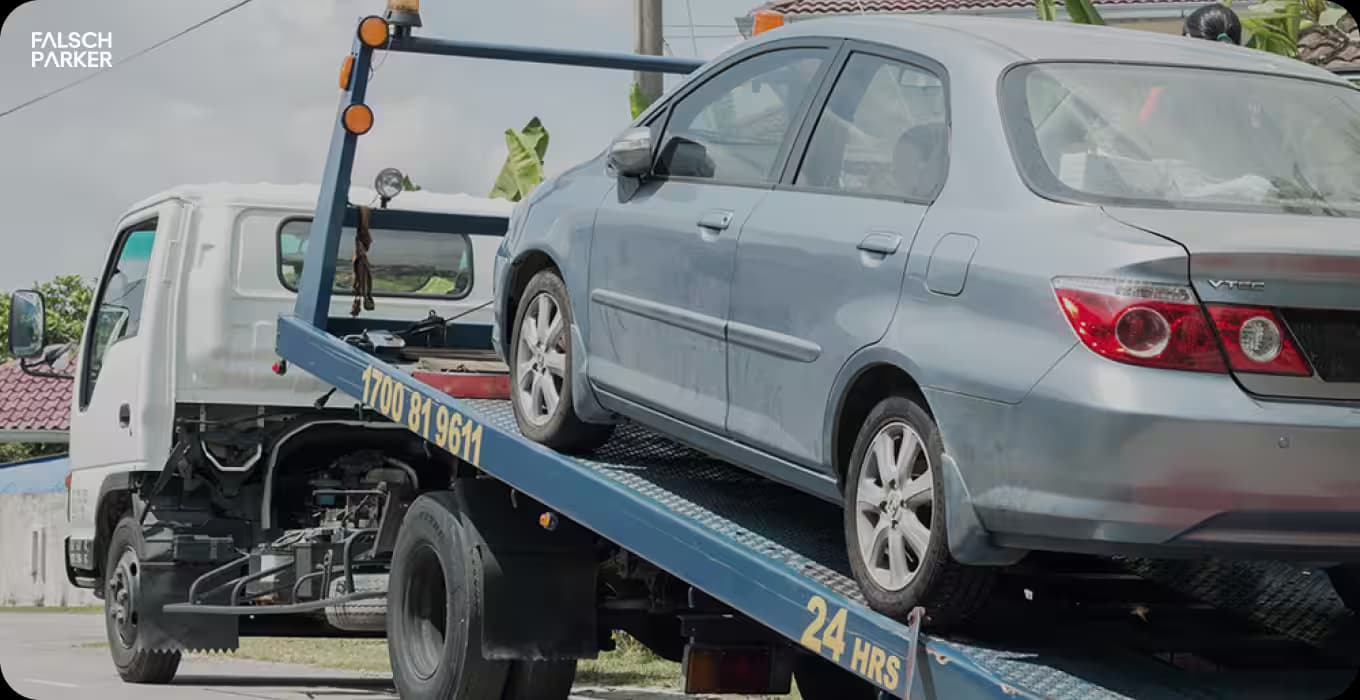
Unauthorised long-term parking can be addressed with, for example, a compensation claim, formal warnings or — in extreme cases — a court parking ban.
Embrace digitalisation
Online registration systems can help to administer visitor parking efficiently — but they need to be transparent and clearly communicated so guests aren't unintentionally fined.
Conclusion: visitor parking as part of living quality
Visitor parking is a central part of everyday life in urban areas. It allows guests to park without hassle — but exactly this purpose is often defeated by misuse and missing rules.
With clear parking rules, sensible sanctions and transparent management, landlords, condominium owners and tenants can together ensure that visitor parking really stays free for visitors — and doesn't become a daily burden for everyone.
Protect your parking spot today.
Falsch-Parker helps property owners and tenants enforce private parking rules — without paperwork.
Get started