Towing in Switzerland: what is permitted and what isn't?
Learn when towing vehicles in Switzerland is permitted and when not. Our guide explains the legal situation on public and private ground, including possession protection, self-help under Art. 926 ZGB, and tips on digital documentation. Ideal for owners, tenants and administrators.

 Parking laws & regulations5 min read
Overview.
Learn when towing vehicles in Switzerland is permitted and when not. Our guide explains the legal situation on public and private ground, including possession protection, self-help under Art. 926 ZGB, and tips on digital documentation. Ideal for owners, tenants and administrators.
Table of contents
Illegal parkers — an everyday problem
Many property owners and tenants in Switzerland know the problem: a stranger's vehicle is parked without authorisation on a private parking space or blocks a driveway.
In such cases the situation is clear: the property owner has the right to defend themselves against this possession disturbance.
Legal basis for towing
In Switzerland a distinction is made between public and private ground:
- Public ground — e.g. streets, public parking areas
- Private ground — e.g. private parking spaces, driveways, courtyards, premises
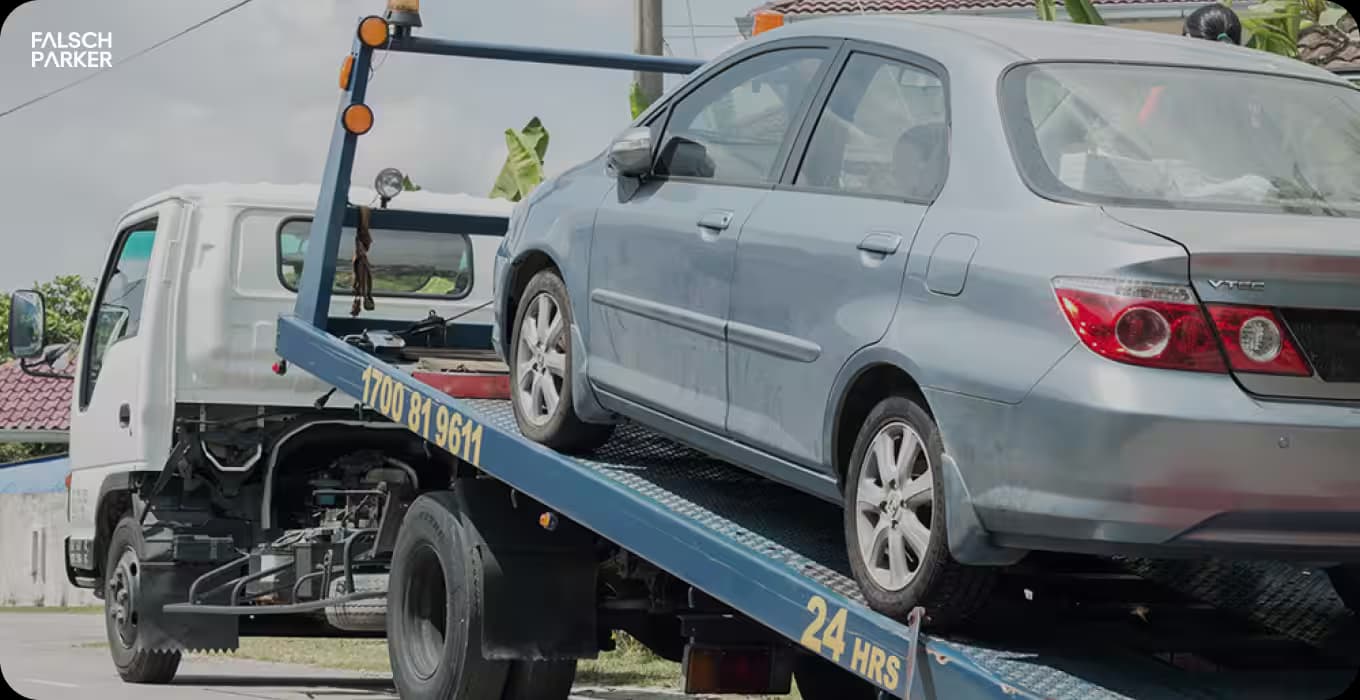
Towing on public ground may only be carried out by the police or an entity commissioned by them, and only in the case of concrete traffic violations (e.g. no-stopping zones, fire-access lanes, traffic obstruction).
On private ground, however, civil-law rules apply, in particular the rules on possession protection under Art. 641 ff. and Art. 926 ZGB. These allow the possessor to defend themselves against unauthorised interference with their possession — including, if necessary, through self-help.
Towing on private ground — what's allowed?
The basic principle:
A vehicle parked without authorisation on private ground may be towed at any time if there is a possession disturbance.
Legal basis:
- Art. 926 ZGB permits self-help in cases of possession disturbance when official assistance would arrive too late.
- Art. 641 ZGB gives the owner the right to repel unauthorised interference.
- Art. 41 OR governs liability from unlawful acts: anyone who unlawfully interferes with another's property and thereby causes damage is required to compensate it (e.g. towing costs, loss of use, contractual penalties for rented parking spaces).
Who may commission a towing service?
On private ground, only the direct possessor or owner of the property or the affected parking space may commission a towing service. This includes tenants or lessees, provided they have the exclusive right of use (e.g. an assigned parking space in their tenancy agreement).
A police order is not required on private ground, as this is not a matter of public law but of civil law.
For the towing service to act, many companies require:
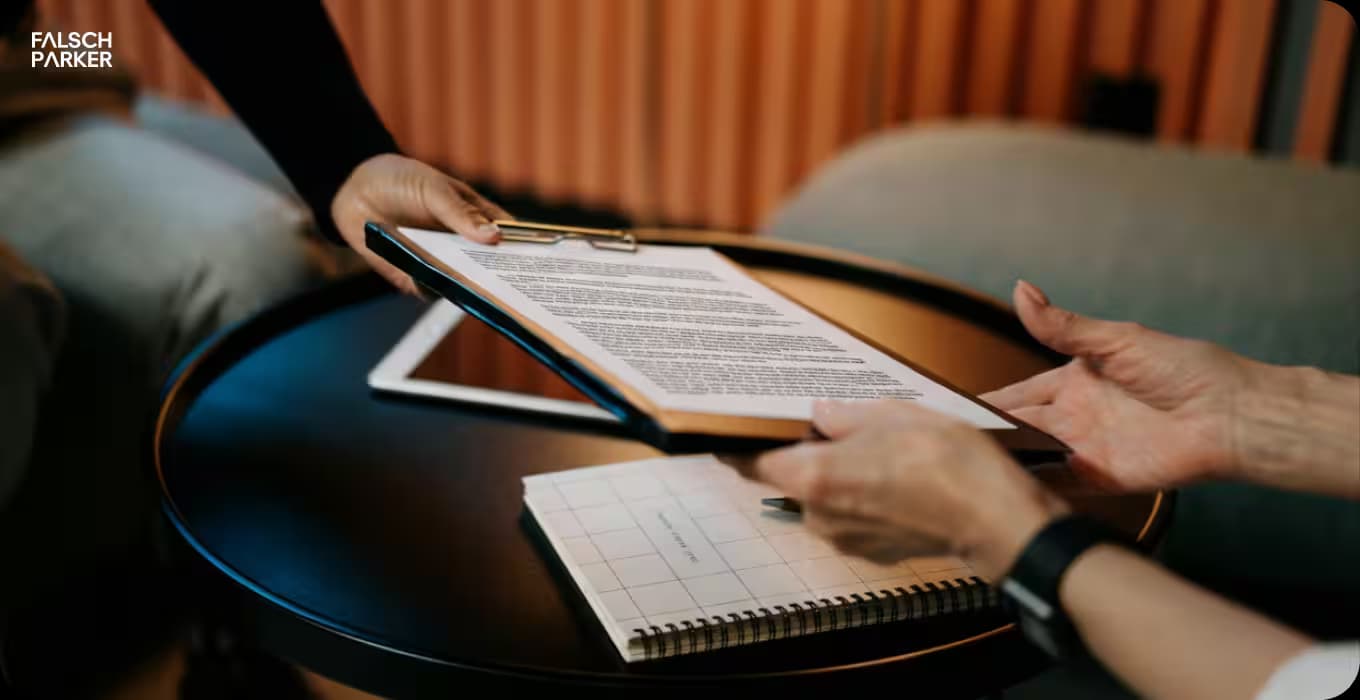
- written confirmation of the possession or use right (e.g. tenancy agreement, proof of ownership)
- or a written statement on the possession disturbance, to safeguard against liability risk
In acute cases (e.g. blocked driveway, fire-access lane) immediate self-help under Art. 926 ZGB may be justified.
What you should absolutely avoid
Even when a stranger's vehicle violates your right of possession, you must always act proportionately and lawfully. The following responses are not permitted and can have legal consequences for you:
- Having the vehicle towed on your own authority without proof of possession or a clear legal basis: anyone who commissions a towing service without legitimate entitlement or proof risks a counterclaim for possession disturbance or unlawful act.
- Blocking, damaging or trapping the vehicle: such measures count as prohibited self-justice and can be classed as property damage or coercion — with possible criminal and civil consequences.
- Publicly exposing the vehicle owner — for example by posting photos online: this may constitute a violation of personality rights under Art. 28 ZGB and can be legally pursued, especially if licence plates or other identifying features are visible.
All of this can have legal consequences — from damages to criminal proceedings for coercion or property damage.
Digital documentation as a first step
Before you take legal steps such as towing an unauthorised vehicle, you should document the situation. Full, factual evidence preservation is helpful not only for the towing service but also in legal disputes.
The following details are particularly important:
- Photos of the vehicle — ideally with the position, the licence plate and the windscreen clearly visible, to make sure no phone number or contact information was left to reach the owner.
- Precise location description — e.g. address, parking-space number, position on the premises
These documents can be decisive in any civil proceedings or before the authorities to demonstrate your possession status and the fact of the disturbance.
Tip: the Swiss platform Falsch-Parker.ch offers a particularly practical solution for structured recording of such incidents. There you can report, document and manage unauthorised vehicles in compliance with the law — especially helpful for recurring problems or in multi-party properties.
Conclusion: towing is allowed — if you act legally correctly
When a stranger's vehicle is parked without authorisation on your private property, you don't have to accept it. The legal situation in Switzerland gives you, as the owner or authorised user, clear means to defend yourself effectively against possession disturbance.
Towing is legally permissible, particularly with clear possession status and a documented disturbance.
You're acting within the law (Art. 641 and 926 ZGB, Art. 41 OR) when you secure evidence and use the towing service as a self-help measure.
With digital support (e.g. via Falsch-Parker.ch), you can even capture illegal parkers in a structured way, document recurring cases and handle them professionally.
In short: anyone prepared acts with confidence and legal certainty — and protects their property in the long run. Your parking space is not public space. You have the right to defend it.
Protect your parking spot today.
Falsch-Parker helps property owners and tenants enforce private parking rules — without paperwork.
Get started